Peak Maintenance Season Puts Pressure on Aviation Workforce
Peak Maintenance Season Tests Workforce Stability
By the Numbers
Global air travel recovery: 95% of pre-pandemic levels
Estimated global technician shortage by 2033: ~80,000
Average heavy maintenance check duration: 3–6 weeks
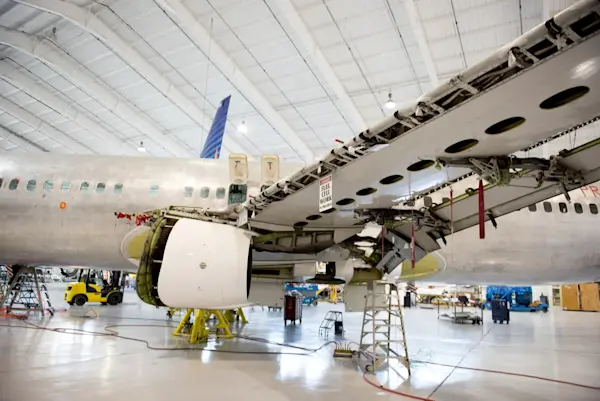
As the aviation industry moves into the final quarter of the year, many maintenance, repair, and overhaul facilities begin experiencing one of their busiest operational periods. Aircraft operators often schedule heavy maintenance work, inspections, and modifications before the end of the year, placing additional pressure on maintenance teams and facility capacity.
Across the industry, maintenance demand has remained strong throughout 2025. Aircraft utilization continues to climb as airlines maintain high flight schedules and business aviation activity remains steady. According to the International Air Transport Association (IATA), global air travel demand has recovered to over 95% of pre-pandemic levels, increasing the need for routine inspections and scheduled maintenance across active fleets.
For maintenance facilities, the challenge is rarely just workload. It is maintaining the workforce stability needed to execute that workload efficiently.
Heavy maintenance checks and large modification programs require coordinated teams of experienced technicians, inspectors, avionics specialists, and support staff. When staffing levels fluctuate during peak operational periods, facilities often experience slower turnaround times and increased pressure on existing teams.
Industry workforce studies have shown that staffing shortages can directly impact maintenance throughput. Oliver Wyman estimates the global aviation industry could face a shortage of nearly 80,000 aviation maintenance technicians by 2033, with North America accounting for a significant portion of that gap.
For maintenance organizations preparing for peak seasons, workforce planning has become just as important as production scheduling. Facilities that coordinate staffing resources early and maintain access to experienced technicians are often better positioned to maintain operational momentum when workloads increase.
This is where workforce partnerships become critical.
Organizations that work closely with aviation workforce providers can better anticipate labor demands, maintain continuity across programs, and reduce the disruption that often occurs during high-activity maintenance cycles.
For more than 26 years, APA Aviation Staffing, LLC has supported aviation operators nationwide by providing access to experienced aviation professionals who understand the pace and precision required inside aviation maintenance environments.
When peak demand arrives, having the right workforce resources available can make the difference between staying on schedule and falling behind.
APA Aviation Staffing, LLC supports aviation operators nationwide with workforce solutions designed to maintain continuity, stability, and operational momentum.